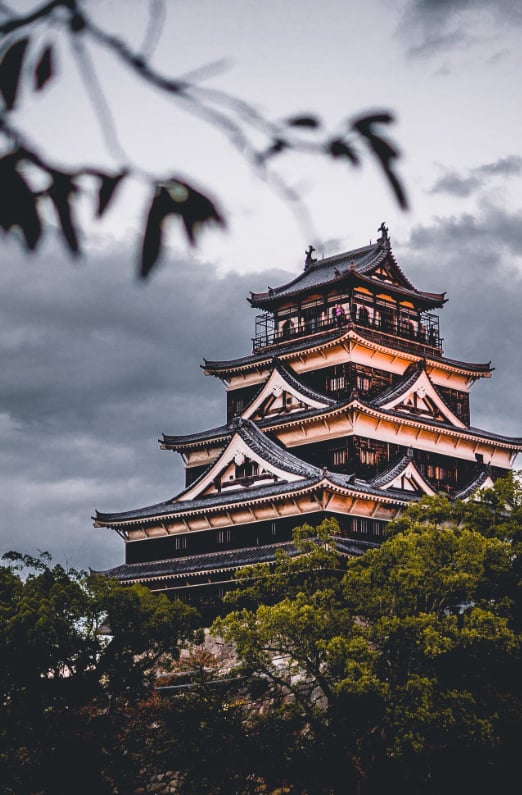
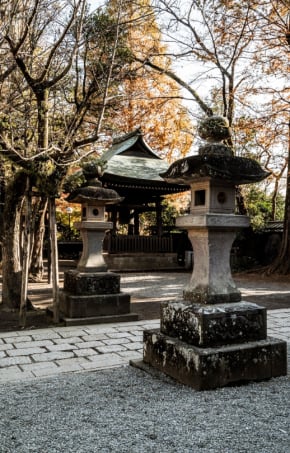
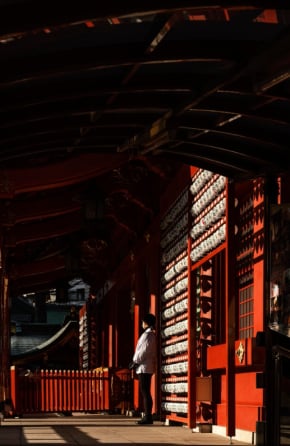
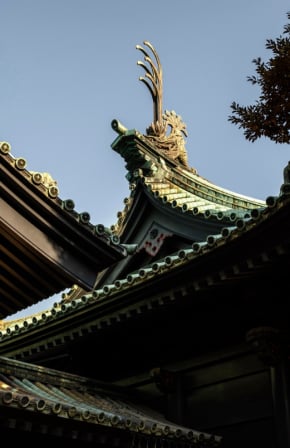
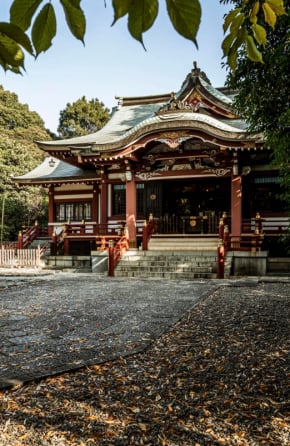
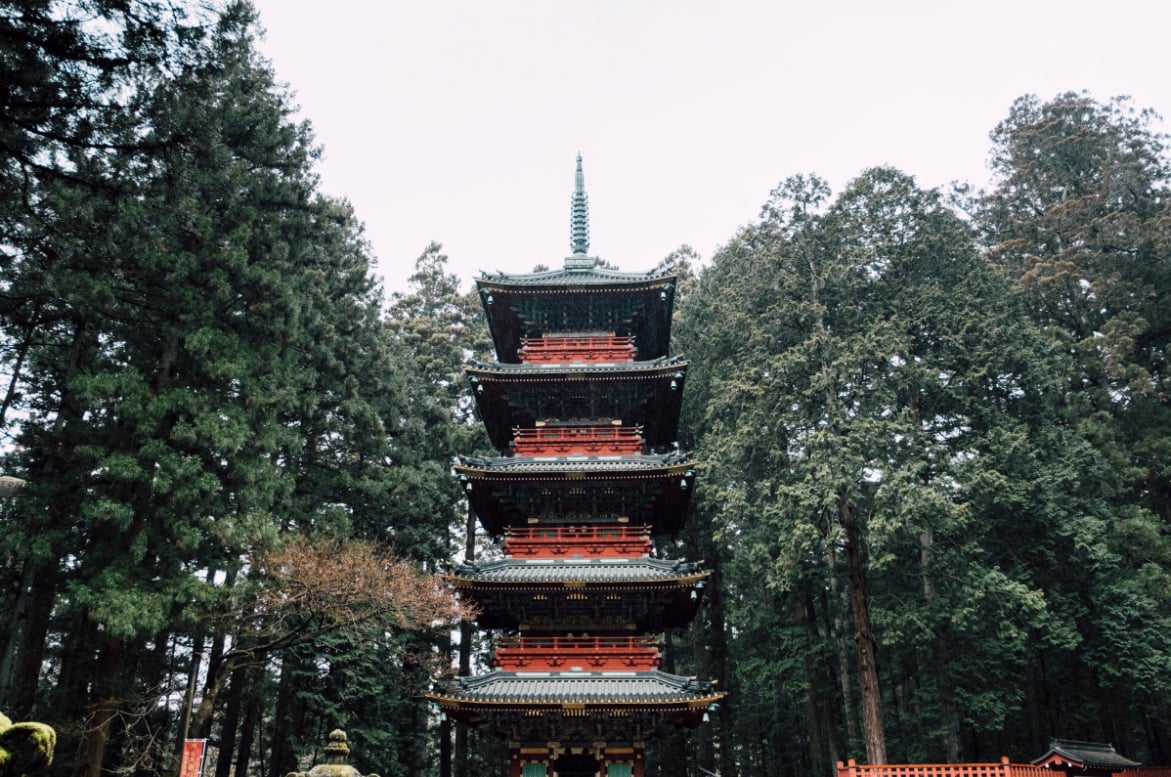
This blog shares simple observations of traditional temples and their peaceful atmosphere. We look at how Buddhist art and Japanese architecture create spaces for reflection. Our writing focuses on the role of monks and spirituality in maintaining these sacred halls through generations.
Why Follow Our Blog
We describe how light, wood, and stone work together in temples. This helps readers feel the calm presence of sacred halls even from a distance.
Our articles explain the structural logic of a pagoda without technical overload. You will learn why each pagoda has an odd number of stories and how it relates to Buddhist art.
We share respectful observations about how monks maintain daily rituals in temples. Their simple lifestyle reflects a deep spirituality that influences Japanese architecture.
Every post examines a different type of sacred hall – from meditation rooms to lecture halls. We connect these spaces to broader Buddhist art traditions and the spirituality of visitors.
We write articles, photo essays, and field notes focused exclusively on Japanese architecture within Buddhist contexts. Our team visits temples during off-peak hours to observe how monks interact with their surroundings. We document pagoda repairs, seasonal changes in sacred halls, and small details of Buddhist art that often go unnoticed. Every piece of content is checked for factual accuracy about historical construction methods. We do not offer guided tours, sell products, or suggest any financial transactions.
Our second aim is to create a respectful archive of spirituality as expressed through building forms. We interview monks (with their permission) about their views on preserving old temples. We compare different pagoda styles across regions without ranking or judging them. We also explore how Buddhist art influences the layout of sacred halls from the Asuka to Edo periods. This work is purely educational and observational. We hope to encourage readers to appreciate Japanese architecture on its own terms, without commercial pressure or performance guarantees.
This article explores how traditional joinery in Japanese architecture allows temples to stand for centuries. We look at the role of monks in preserving these techniques without modern tools or adhesives.
What happens inside sacred halls before sunrise? This article follows the morning routine of monks in a small mountain temple and its connection to Buddhist art.
The arrangement of statues, altars, and pagoda structures follows ancient iconographic rules. We explain how Buddhist art dictates the position of every element inside temples.
Why do temples build pagoda towers, and what do their five stories represent? This article examines the symbolic and structural meaning of pagodas in Buddhist art.
Our group includes people who have studied Japanese architecture for many years but do not hold formal degrees in the field. We live near several old temples and visit them regularly to watch how monks perform morning services. This daily exposure helps us notice small changes in sacred halls – such as patina on wood or fading of Buddhist art paintings. We believe that spirituality can be observed through careful attention to material details. Our writing avoids abstract theory and instead shares concrete observations from actual pagoda sites.
We started this blog because we saw too many websites mixing temple content with financial offers or travel packages. We wanted a clean space dedicated to temples, Buddhist art, and the lives of monks without any hidden agenda. None of us work for banks, investment firms, or commercial brands. Our income comes from other jobs, so we do not need to promise earnings to readers. We simply enjoy documenting Japanese architecture and the quiet spirituality of sacred halls. Every article is a personal reflection, not a professional recommendation.
No, we never organize tours or sell tickets. Our blog only shares written and visual content about temples. We believe that visiting sacred halls should be a personal and respectful act, not a commercial service.
We select pagoda structures that show unique features of Japanese architecture. Often we focus on less famous temples where monks still perform daily rituals. This allows us to highlight authentic spirituality without crowds or tourist pressure.
Yes, many of our articles describe common motifs in Buddhist art like lotus petals, guardian statues, and mandala patterns. We also explain how these symbols appear inside sacred halls and near pagoda foundations. Our goal is educational, not academic or commercial.
We speak with monks when they are open to conversation, usually after morning prayers. Not every temple allows interviews, so we respect their silence. Their insights about spirituality and Japanese architecture help us write more accurate posts about sacred halls.
No, we are an independent blog with no religious affiliation or corporate sponsors. We do not sell anything, accept paid posts, or promote any brand. Our only focus is temples, pagoda structures, Buddhist art, sacred halls, Japanese architecture, monks, and spirituality – as pure subjects of quiet observation.
Phone
Address