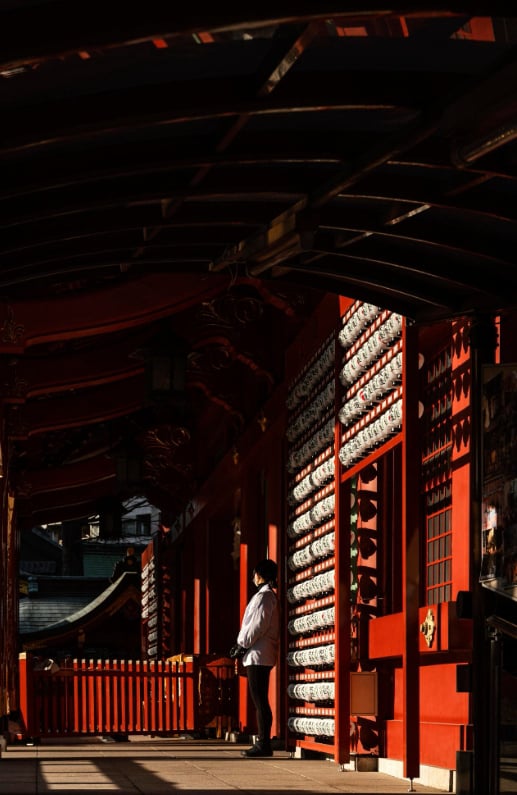
Daily Rituals of Monks Inside Sacred Halls
Long before tourists arrive, monks gather in the main sacred halls to recite sutras by candlelight. Their voices echo off wooden walls decorated with Buddhist art – paintings of celestial beings and mandalas. This daily practice is the heartbeat of any temple, maintaining spirituality not as an idea but as a living action. Monks move in precise patterns, opening sliding doors that lead to a small courtyard with a stone pagoda. Each gesture is a silent prayer, older than any written instruction on Japanese architecture.
After chanting, monks prepare offerings of rice, flowers, and water placed before statues inside sacred halls. These offerings are themselves forms of Buddhist art, arranged according to rules passed down through generations. The pagoda in the courtyard receives a separate offering once a week, as monks consider it a container for relics. Temples that follow this routine create an atmosphere where visitors can sense spirituality without any explanation. Japanese architecture supports these rituals by providing specific spaces for each action – a shelf for sutras, a niche for incense.
Afternoon duties include cleaning sacred halls and polishing the wooden floors of the temple. Monks view cleaning as meditation, not as chore. They sweep around the pagoda base, removing fallen leaves with bamboo brooms. This attention to detail extends to Buddhist art – monks dust statues using feather wands, never touching the painted surface. Through these simple acts, temples remain alive as centers of spirituality. Japanese architecture would be empty without the human presence of monks moving through its sacred halls.