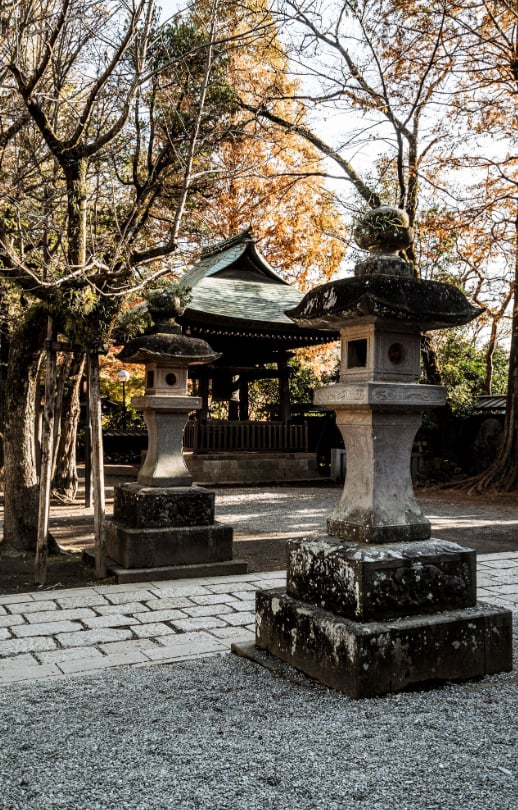
The Silent Language of Wood in Temple Construction
Walking through old temples, one notices that no nails or metal brackets hold the wooden beams together. Instead, Japanese architecture relies on complex joints carved directly into pillars and rafters. This method creates flexible structures that absorb earthquake shocks, protecting sacred halls from collapse. Monks who live in these temples learn basic carpentry as part of their daily discipline. Their work is not restoration but a form of active spirituality that honors the wood itself.
The most visible example of this craft is the five-story pagoda, where each level appears to float independently. Inside a pagoda, the central pillar hangs from chains rather than touching the ground – a feature unique to Buddhist art in Japan. This design allows the pagoda to sway during storms without breaking. Buddhist art often depicts such structures as metaphors for the five elements. Visitors to temples may not see the joinery, but they feel its stability through the quiet confidence of sacred halls.
Monks often say that cutting a single joint wrong means wasting a tree that grew for decades. This attitude reflects a deep spirituality where material and spirit are not separate. Japanese architecture treats every temple as a living being that breathes with seasonal humidity changes. Sacred halls constructed this way require occasional tightening of joints, a task performed by monks during winter months. By studying these temples, we learn that Buddhist art is not only painted or sculpted – it is also carved into every beam of a pagoda.